A stairlift usually stops being needed for a reason nobody wanted. Someone has died, or moved into a care home, or (the happier version) recovered well enough to manage the stairs on their own. Whatever the reason, there’s now a chair and rail on the staircase that nobody uses, and somebody in the family has to decide what happens to it.
There’s no deadline on that decision. When you’re ready, this page sets out the choices: what each one involves, who pays, and where people tend to come unstuck. If you already know you’d like the lift gone, you can skip ahead to removal and buyback.
Your options at a glance
| Your situation | Where to start | Who pays for removal |
|---|---|---|
| The council or a grant paid for the lift | Ring the council first | Depends on the council |
| The lift is rented | Ring the rental company | Check your agreement |
| We fitted the lift two years ago or less | Ask about buyback | Nobody, and we may buy it back |
| We fitted the lift less than five years ago | Ring us to book removal | Nobody: removal is free |
| Another company fitted the lift | Arrange removal, or try selling or donating it | You (£180 + VAT straight, £225 + VAT curved, with us) |
| The house is going on the market | Ask your estate agent whether to keep it | You, unless we fitted it in the last five years |
First, check whose stairlift it is
It’s easy to assume the stairlift belonged to the person who used it, and usually it did. Some, though, are owned by the council and some are rented, and both come with their own arrangements for getting the lift back.
If your family bought the lift, it’s theirs to sell, give away or have removed. If the owner has died, it’s part of their estate along with everything else in the house.
If the council fitted it, ring them before you do anything else. Councils don’t all work the same way: some own the stairlifts they install and will want to collect them, while others treat a grant-funded lift as belonging to the homeowner. One call to the adult social care or housing team saves you paying to remove a lift the council would have taken back. If you’re not sure how the lift was funded, our stairlift grants guide explains the different routes.
If it’s rented, the rental company owns it and collects it when the agreement ends. Look out the paperwork for any notice period, then give them a ring. Our stairlift rental guide explains how rental works.
Have it removed, and bought back if it qualifies
For a privately owned stairlift, this is usually the route with the least effort, because it’s one phone call and one visit. What you pay depends on who fitted the lift and how old it is, and if we installed it recently, you may not pay anything at all.
Which stairlifts we can buy back
We buy back stairlifts we installed ourselves that are two years old or less. Sometimes we can take older ones too, depending on how many we have in stock at the time, so it’s always worth asking.
A buyback offer is based on what the lift will fetch second-hand, which is a fraction of what it cost new. We’ll tell you whether yours qualifies before we visit.
What removal costs
If we fitted the stairlift and it’s less than five years old, we’ll take it out free of charge. If another company fitted it, removal costs £180 + VAT for a straight stairlift or £225 + VAT for a curved one. That covers disconnecting it, taking it apart, carrying it out and disposing of it properly. We give you the price before we book, and it doesn’t change on the day.
What to expect on the day
A straight stairlift takes about an hour to take out; a curved one, one to two. The rail fixes to the stair treads, so the walls aren’t touched. Once it’s out you’ll see a few small bolt holes just below the carpet edge, and we’ll fill them before we leave if you’d like. We don’t need to cut or lift the carpet, and we tidy up after ourselves.
You don’t need to be there, either. If you’re sorting out a parent’s house from the other end of the country, a neighbour or keyholder can let us in, or we can work through your solicitor or estate agent. If there’s a completion date, mention it when you ring. We can often come at short notice, and once the lift has gone we’ll confirm it in writing for the estate paperwork.
Not sure what you’ll pay? Tell us who fitted the lift, the make, whether the rail is straight or curved and roughly how old it is, and we’ll give you an answer before anyone visits. If you can’t find a make anywhere on it, we can help with that. Find out if your stairlift qualifies
Selling the stairlift yourself
A private sale can bring in more than a buyback offer, and if the lift is straight and fairly new it may be worth a try. Just go in knowing what’s involved. Selling a stairlift isn’t like selling a sofa: it has to come out of your stairs and go into the buyer’s, and both jobs need an engineer.
Online marketplaces and local selling groups are the usual places to list it. Buyers will want the make and model, its age, the rail length and whether it’s straight or curved, and a service history helps.
Sort out two things before you accept an offer. The first is who’s paying for removal and refitting, because on a cheaper lift that bill can swallow most of the sale price. The second is that the buyer shouldn’t take it out themselves. Stairlifts are heavy and have electrics, and a badly refitted lift isn’t safe to sit on.
Curved lifts are very hard to sell this way, because the rail only fits the stairs it was made for.
Donating it to a charity or refurbishment scheme
Passing a stairlift on to someone who can’t afford a new one is a kind thing to do. Some organisations take in used stairlifts, recondition them and sell them on at a reduced price, and local charities and community groups may be glad of one too.
Whoever you speak to, ask early on whether they’ll collect it, whether they’ll pay for the removal and whether they take your make and type of lift. Most will still need an engineer to take it out and fit it again, just as a private buyer would.
As with selling, donation really only works for straight lifts. A curved rail won’t fit anyone else’s stairs, though the seat and motor can sometimes be used for parts.
Taking it with you when you move
If the person who uses the lift is moving house, a straight stairlift can sometimes go too. It depends on the new staircase, and we can come and measure up. A curved lift generally can’t move with its owner, because the rail only fits the stairs it was made for. There’s more on how fitting works in our guide to what to expect when your stairlift is installed.
Leaving it in the house
You don’t have to take a stairlift out before selling a house. Some buyers will be glad of it; others will add removing it to their list. Your estate agent will have a sense of which is more likely for your house, so it’s worth asking them first. If you do decide to take it out, book it before the photos and viewings, or agree a date with the buyer. We’ll work to a fixed date wherever we can.
Landlords face the same question. A tenant who doesn’t need the lift gets the full width of the stairs back once it’s gone.
And if you’ve just bought a house that came with a stairlift you don’t want, we’ll take it out whatever the make.
When it can’t be reused
Some lifts have simply reached the end of the road: broken, very old, or curved and off their staircase. They still need disposing of properly. A stairlift counts as electrical equipment, so it falls under the WEEE regulations and shouldn’t go in a skip or out with the household rubbish. It’s also far too heavy for most people to shift.
We don’t recommend taking one out yourself. Apart from the weight and the electrics, you need specialist tools to take it apart, and you’re still left with the job of getting rid of it.
When we collect a lift, we recondition the straight ones and sell them on wherever we can. The rest we strip down and dispose of under the WEEE rules, and nothing goes to landfill that doesn’t have to.
Stairlift removal across the South West
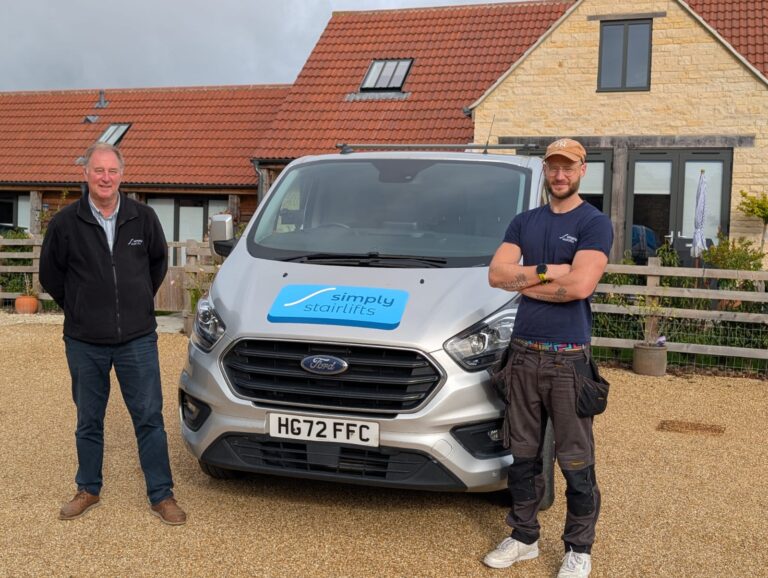
We’re a family business, and Brian and Jack handle every removal themselves. We cover:
- Wiltshire, including Swindon, Chippenham, Malmesbury, Royal Wootton Bassett, Salisbury and Trowbridge
- Gloucestershire, including Cheltenham, Gloucester, Stroud, Cirencester and Tetbury
- Somerset, including Bath, Taunton, Yeovil and Frome
- Oxfordshire, including Oxford, Abingdon, Witney and Banbury
- Hampshire, including Winchester, Basingstoke, Southampton and Andover
- Dorset, including Bournemouth, Poole, Dorchester and Weymouth
If you’re just outside these areas, ring us anyway and we’ll let you know whether we can help.
Frequently asked questions
How do I get rid of an unwanted stairlift?
Start by checking who owns it. If it’s yours, the main options are removal with buyback, a private sale or donation. If it can’t be reused, it needs removing and recycling.
How much does it cost to remove a stairlift?
If we fitted your stairlift less than five years ago, nothing. If another company fitted it, £180 + VAT for a straight stairlift and £225 + VAT for a curved one.
Are old stairlifts worth anything?
Some are. We buy back stairlifts we fitted that are two years old or less, and sometimes older ones, depending on our stock. A very old or broken lift usually isn’t worth much, although its parts sometimes are.
Who buys second-hand stairlifts?
Stairlift companies with a buyback scheme, refurbishment organisations and private buyers. We buy back stairlifts we installed that are up to two years old.
Can stairlifts be easily removed?
Yes, though it’s a job for an engineer. A straight lift takes about an hour and a curved one up to two.
Will taking out a stairlift damage the stairs?
It shouldn’t. You’ll be left with a few small bolt holes in the treads, below the carpet edge, and we can fill those on the day.
Who removes a stairlift the council fitted?
Check with the council first, as some collect the lifts they own. If they confirm it’s yours, we can take it out.
Can you remove a stairlift another company fitted?
Yes. We remove every make, whoever installed it.
What happens to a stairlift when the owner dies?
It becomes part of their estate, and the family or executor decides what to do with it. There’s no rush. We can work with a keyholder, solicitor or estate agent, and we’ll confirm the removal in writing.
Find out what removal will cost
If you’re not sure where to begin, ring us and find out what removal would cost. It costs nothing to ask. If we fitted the lift in the last few years, removal could be free, and we might buy it back. If not, you’ll know the price up front and can weigh it up against selling or donating.
Ring us or send an enquiry for a free removal consultation, and we’ll give you a figure before we book a visit. Book a free removal consultation